

Khakhra Was Always Meant to Be a Canvas
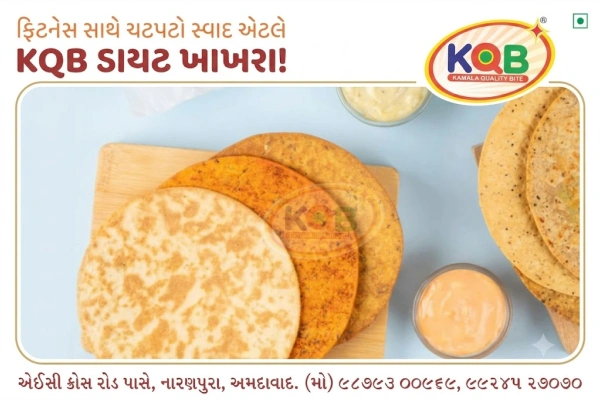
One of the most misunderstood things about khakhra outside India is that it is a fixed, single-flavour snack. In reality, khakhra has functioned as a base canvas in Gujarati kitchens for generations — thin, roasted, and neutral enough to be topped, seasoned, or reinvented depending on what is available and what the family is in the mood for. The current wave of fusion khakhra flavours — panipuri, cheese, pizza, Mexican — is less a departure from tradition and more a continuation of a habit that has always existed, now formalised into packaged, shippable products for a global audience.
The Traditional-to-Fusion Spectrum
It helps to think of khakhra flavours on a spectrum rather than as separate categories. On one end sits sada and jeera khakhra — the plain, everyday base. Moving along the spectrum brings in methi (fenugreek) khakhra, where dried or fresh fenugreek leaves are worked into the dough for a slightly bitter, aromatic edge that pairs well with tea. Lasan-methi khakhra pushes further, adding garlic (lasan) alongside fenugreek for a punchier, more savoury result popular with buyers who want traditional flavour with more intensity. From there, the spectrum moves into fully fusion territory: panipuri khakhra, which mimics the tangy, spiced flavour of the popular street snack; cheese and pizza khakhra, developed for a younger, more globally influenced palate; and Mexican khakhra, which borrows chilli and smoky seasoning profiles from Tex-Mex snacking.
Why Fusion Khakhra Resonates Specifically With the Diaspora
International buyers, particularly second-generation Indian families abroad, occupy a specific cultural position: familiar with the format and texture of khakhra from childhood or family visits, but often more accustomed to bolder, more Westernised flavour profiles in daily snacking. Fusion khakhra flavours bridge that gap directly — they retain the roasted, low-oil texture that reads as “Indian snack” while delivering a flavour profile (cheese, pizza seasoning, chilli-lime notes) that requires no cultural translation for someone who grew up eating Western snack foods alongside Indian ones.
This also explains why fusion khakhra performs well as an introductory product for non-Indian friends, partners, or colleagues. A plain sada khakhra can be an acquired taste for someone with no prior exposure to Gujarati food; a cheese or pizza khakhra offers a more immediately recognisable flavour while still introducing the format and texture of a traditional Indian snack.
Building a Variety Box for International Shipping
Because khakhra ships well due to its roasted, low-moisture nature, a mixed variety order is one of the most practical ways for international buyers to sample the full range without committing to a single flavour in bulk. Our Variety Khakhra collection is built around exactly this use case, combining traditional options like methi and lasan-methi with fusion flavours such as panipuri, cheese, pizza, and Mexican khakhra in a single browsing category.
• Start with one traditional flavour (jeera or methi) and one fusion flavour (cheese or pizza) to compare texture and intensity side by side.
• Panipuri khakhra works particularly well as a stand-alone snack rather than a base for toppings, since it is already tangy and spiced.
• Lasan-methi khakhra pairs well with plain yoghurt or curd for buyers who want a milder, home-style eating experience.
• For gifting internationally, a mixed variety box tends to perform better than a single-flavour bulk order, since recipients can choose their preference.
Beyond Khakhra: Handmade Cholafali as a Complementary Fusion-Friendly Snack
Buyers exploring flavour variety in khakhra often gravitate toward similarly textured Gujarati snacks. Our Handmade Cholafali — a thin, crisp, deep-fried gram-flour snack traditionally associated with Diwali — makes a strong pairing addition to a khakhra-based international order, particularly for customers building a broader festive or gifting snack box rather than a single-item purchase.
Frequently Asked Questions
1. Is fusion khakhra (cheese, pizza, Mexican) authentic Gujarati food?
The base preparation method — thin dough, pressed and roasted — is authentically Gujarati. The seasoning profiles for cheese, pizza, and Mexican variants are modern adaptations developed to suit contemporary and international palates.
2. What is the difference between methi and lasan-methi khakhra?
Methi khakhra contains fenugreek for a mildly bitter, aromatic flavour. Lasan-methi khakhra adds garlic to the same base for a stronger, more savoury result.
3. Which khakhra flavour is best for introducing a non-Indian friend to the snack?
Cheese or pizza khakhra tend to be the easiest entry point, since the flavour profile is already familiar, while the texture introduces them to a traditional Indian preparation method.
4. Can a variety pack of khakhra be shipped internationally in one order?
Yes. Because khakhra is roasted rather than fried in oil and has low residual moisture, mixed-flavour variety packs generally ship well over long distances, subject to destination-country import rules.
Explore Fusion and Traditional Khakhra Flavours
Browse the full Variety Khakhra range and Regular Khakhra at kqbfood.com, plus our Handmade Cholafali. Visit us on Google: KQB Food, Naranpura, Ahmedabad.