

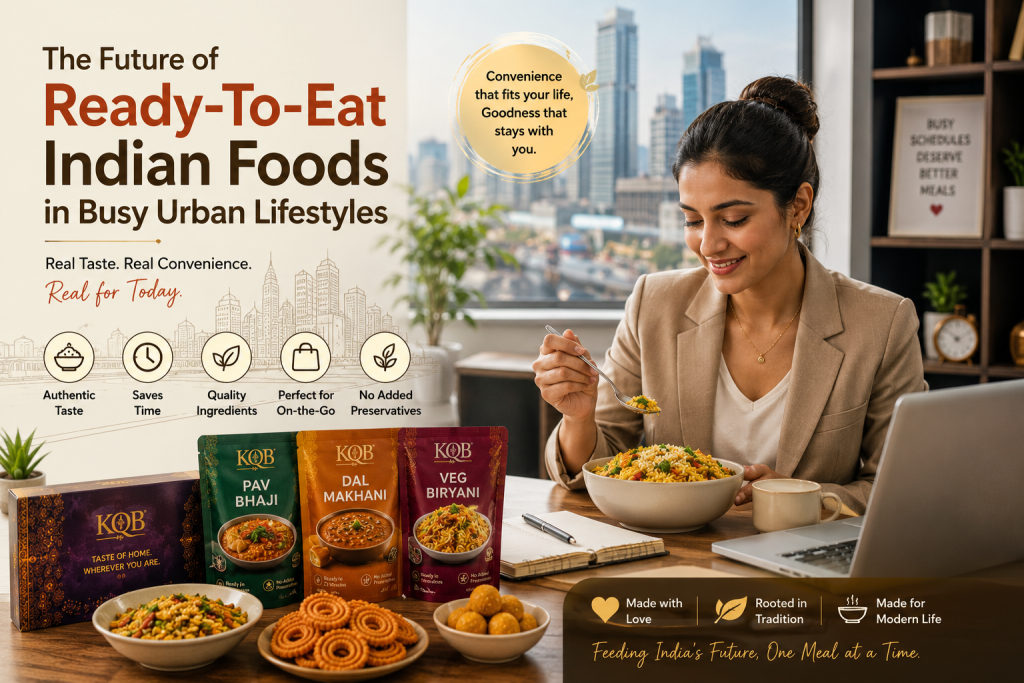
There was a time when ready-to-eat food had a slightly bad reputation. People connected it with overly processed meals, too much sodium, or something you only ate during emergencies. But honestly, urban lifestyles have changed so much in the last few years that the conversation around Dehydrated Food (Freeze – Dried Food) is changing too.
Today, convenience is no longer a luxury. For many working professionals, students, young couples, and even elderly people living alone, it’s become part of everyday life. And the interesting part is — people still want familiar Indian flavors.
Nobody wants to survive only on bland instant noodles or frozen foreign meals forever. At some point, you start craving proper dal, poha, khichdi, upma, parathas, or simple Indian snacks that actually feel satisfying. That’s exactly where ready-to-eat Indian food is slowly finding its place.
Urban Life Is Faster Than Ever
Most city routines are honestly exhausting now. People leave home early, spend hours commuting, manage unpredictable work schedules, and somehow still try to maintain health, social life, fitness, and family time. Cooking elaborate meals every single day just isn’t realistic for everyone anymore.
Even people who enjoy cooking often don’t have the energy daily. In real situations, many urban households are now looking for “practical food solutions” instead of idealized kitchen routines. That’s why instant Indian meals, healthy snack packs, ready-to-cook options, and travel-friendly foods are growing quickly.
The future of ready-to-eat Indian foods is not about replacing homemade meals completely. It’s more about filling the gaps modern lifestyles have created.
People Want Convenience — But Not at the Cost of Taste
One thing many food brands misunderstood earlier was this: Indian consumers rarely compromise on taste. You can make food fast. Fine. But if it doesn’t feel authentic, people won’t reorder it.
That’s why newer ready-to-eat Indian food brands are focusing more on regional flavors, traditional recipes, and simpler ingredients. Consumers have become smarter, too. They check labels, compare ingredients, and avoid products that feel overly artificial.
Many people now prefer ready-to-eat foods that taste close to home-style cooking instead of restaurant-style heaviness. Simple meals are winning again.
Khichdi bowls, millet snacks, roasted namkeen, vacuum-packed curries, ready poha mixes — these products fit better into daily urban life because they feel lighter and more practical.
At (KQB), this shift is visible in how customers respond to traditional Indian snack options that balance convenience with familiarity.
The Rise of Health-Conscious Snacking
Another major reason ready-to-eat Indian foods are growing is health awareness. Earlier, convenience food mostly meant junk food. But now consumers actively search for healthier ready-to-eat snacks and meals that support daily routines instead of disrupting them.
People want lighter snacks, roasted instead of fried, easier to digest, and portion-friendly. That’s why traditional Indian foods are quietly becoming modern again.
Things like khakhra, roasted chana, makhana, millet-based snacks, dry fruit mixes, and baked Indian snacks fit naturally into health-conscious lifestyles without feeling extreme or restrictive.
And honestly, many urban consumers are tired of imported “health foods” that don’t match Indian eating habits. Traditional Indian ready-to-eat foods already understand local taste preferences better.
Technology Is Improving Food Quality
One reason ready-to-eat food struggled earlier was shelf-life quality. Products either tasted stale or overly preserved.
But food packaging and preservation technology have improved a lot now. Better sealing methods, vacuum packaging, controlled dehydration, and cleaner processing systems are helping brands maintain freshness longer without completely ruining texture or flavor. Consumers notice these things immediately.
A ready-to-eat product that stays fresh, travels well, and still tastes good after opening has a much better chance of becoming part of someone’s regular routine. This is especially important for urban buyers ordering food products online.
Because let’s be honest — once someone receives stale snacks or poor-quality packaging, trust disappears very quickly.
Working Professionals Are Driving the Biggest Demand
If you look closely, working professionals are probably the biggest users of ready-to-eat Indian foods right now.
Office schedules are unpredictable. Lunch breaks become shorter. Meetings stretch unexpectedly. People often skip meals and then overeat later. Ready-to-eat food fills these awkward gaps.
A quick breakfast before commuting. Light snacks between meetings—easy dinner after late work hours. Small things, but they matter daily.
Many professionals now keep healthy, ready-to-eat snacks in office drawers because relying entirely on food delivery apps becomes expensive and unhealthy over time. And honestly, people are becoming more selective about what they eat during workdays. Heavy, oily meals every afternoon don’t work for productivity.
The Emotional Side of Indian Food Still Matters
This part often gets ignored in business discussions. Food is emotional in India. People don’t just eat for convenience. They want comfort, familiarity, routine, and memories, especially in stressful urban environments.
That’s why Indian ready-to-eat foods have stronger long-term potential compared to generic fast-food alternatives.
A simple, ready-to-eat poha pack may remind someone of home breakfasts. Khakhra with evening tea feels familiar. Ready dal-chawal after a long day can feel surprisingly comforting. The emotional connection makes a huge difference in repeat buying behavior.
Many people living away from family actually look for ready-to-eat Indian products because they recreate small parts of home life.
Online Shopping Is Expanding the Market Fast
E-commerce has completely changed how food brands reach consumers. Earlier, regional Indian snacks and ready-to-eat products stayed limited to local stores. Now brands can deliver nationwide. That changes everything.
Consumers now explore traditional Indian foods from different states without traveling. Someone in Bangalore can order Gujarati snacks. A Mumbai customer can try Rajasthani ready mixes. Smaller brands also get the visibility they never had before. This online growth is helping niche Indian food businesses compete in a bigger market.
At (KQB), online demand has shown that customers are actively searching for convenient Indian snack options that still feel authentic and trustworthy.
The Future Will Likely Focus on Balance
Ready-to-eat Indian food is not replacing fresh cooking entirely. It probably never will. But it is becoming a reliable support system for modern lifestyles.
The future seems less about “instant junk food” and more about balanced convenience. Consumers want products that save time while still fitting into healthier everyday eating habits. Brands that understand this balance will likely grow stronger over the next few years.
Because urban consumers today are practical. They don’t expect perfection. They want food that is convenient, reasonably healthy, satisfying, and familiar enough to fit naturally into real life.
Where Things Are Heading Next
The interesting thing is that ready-to-eat Indian foods are evolving quietly, not dramatically. People are moving toward smarter convenience instead of flashy convenience.
Simple products with clean ingredients, traditional flavors, travel-friendly packaging, and realistic pricing will probably shape the next phase of this market. And honestly, that shift feels more sustainable.
KQB is also seeing this change closely, where customers now prefer familiar Indian food options that fit naturally into busy schedules without feeling overly processed.
Consumers are no longer impressed by “modern snacks” pretending to be healthy. They’re going back to foods they already trust — just in more convenient formats.
That’s why the future of ready-to-eat Indian foods looks strong, especially in busy urban lifestyles where time is limited but food preferences remain deeply personal.